New initiatives link local challenges to interregional solutions
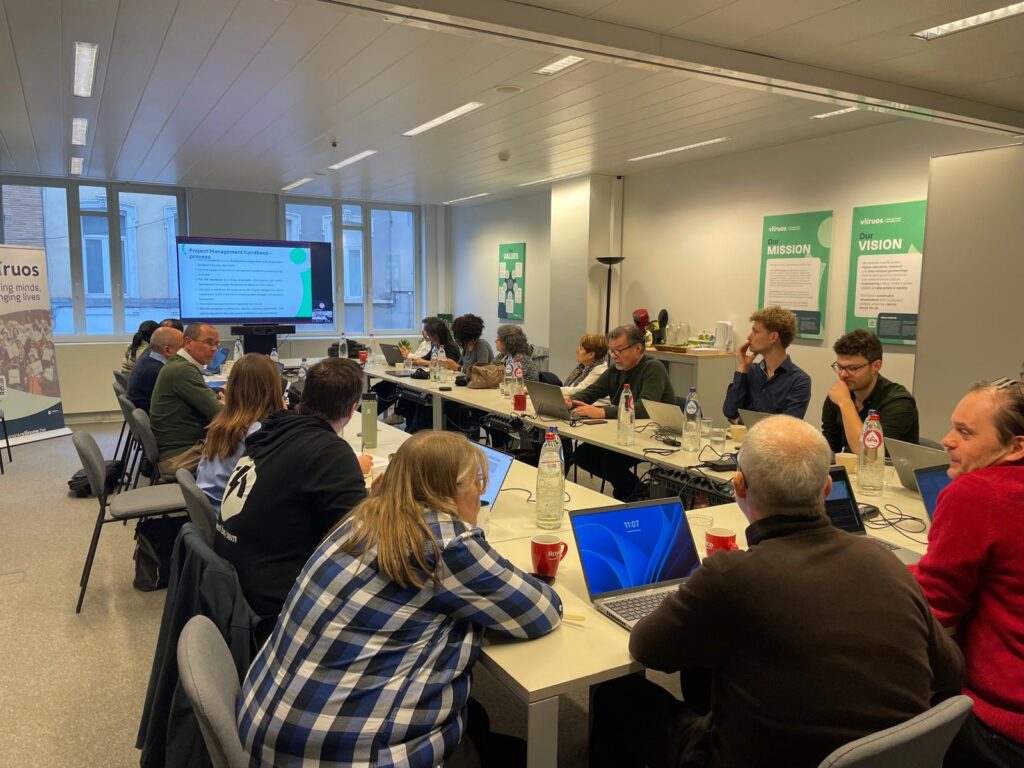
This week Obreal officially launched two new international cooperation projects co-funded by the European Commission. The goal of the two is to improve higher education both in the Latin American countries where they will be implemented and in Europe. One of them focuses on creating an innovative educational model designed to respond to local challenges, while the other aims to support a green and digital transition in universities with aging campuses or located in peripheral regions.
EmpSocial: a solution to local challenges
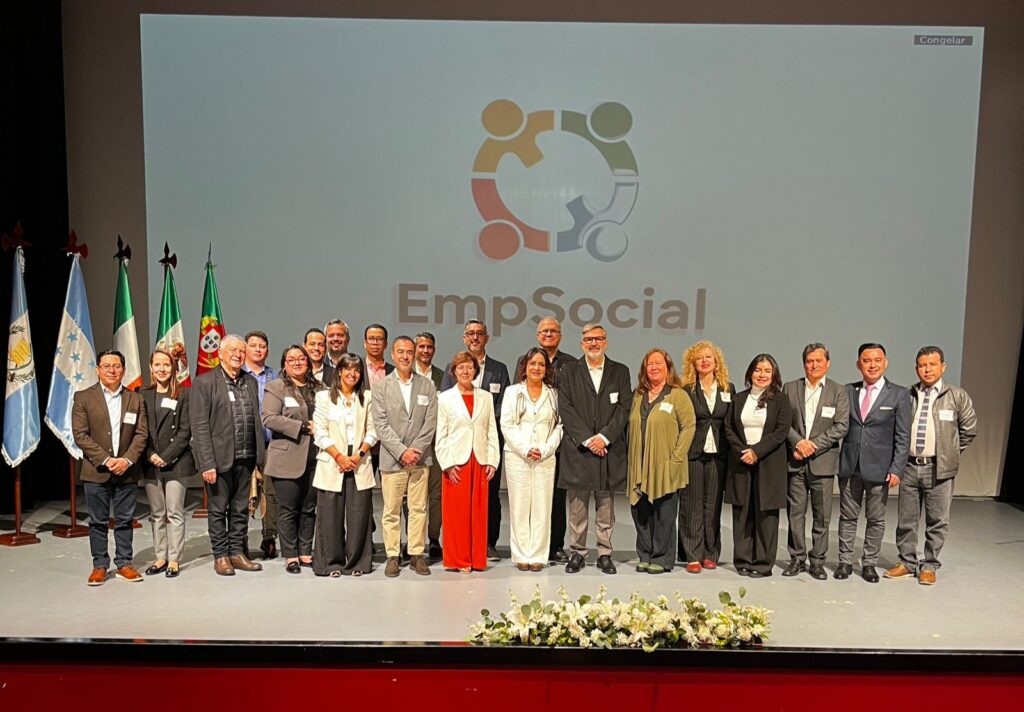
The EmpSocial project seeks to develop a new educational model that moves away from purely theoretical teaching, encouraging students to work alongside local stakeholders to identify solutions to real problems in their communities.
In this way, the project not only creates new opportunities for Indigenous university students, but also ensures that the initiatives developed have a tangible impact on local communities. And this impact is not limited to Latin America: the goal is for this innovative and intercultural model to be adopted by European universities as well.
PulseC: improving the use of renewable energy and digital infrastructures
Through the PulseC project, Obreal will train and advise faculty and students from Cuban universities on energy consumption and infrastructure, with the aim of developing practical solutions to address the challenges posed by the climate crisis and the frequent power outages that affect universities.
Although the project will be implemented in Cuba, its effects will extend far beyond the local context. Lessons learned on how to ensure digital services when energy supply is unstable, how to reduce consumption without compromising quality, or how to integrate renewable energy into older campuses will be highly valuable for European universities, particularly those in peripheral regions or with aging campus infrastructures.
A timely project, closely aligned with the European Union’s Global Gateway priorities, PulseC will make a tangible contribution to advancing the greening agenda in higher education.
By combining social innovation and the green and digital transition, these two projects demonstrate how higher education can contribute to more inclusive, sustainable, and interconnected societies, both in Latin America and Europe.