
Obreal to host the S-DHG Forum in Barcelona in 2027
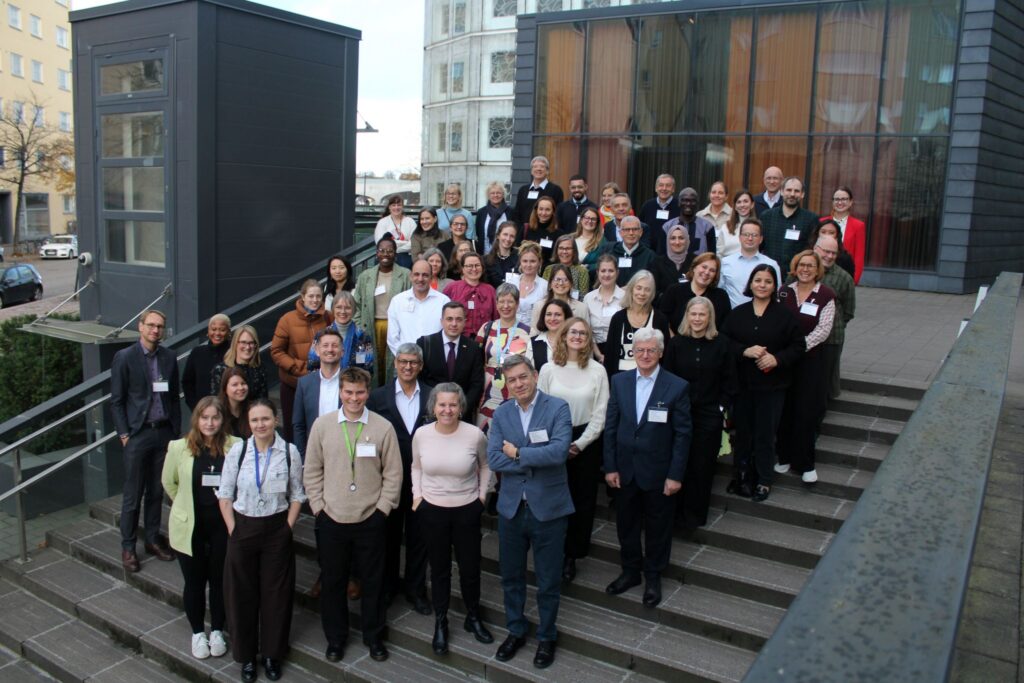
Obreal took part in the 16th Forum of the Cooperation for Sustainable Development in Higher Education Group (S-DHG), hosted by the Finnish National Agency for Education (EDUFI) in Helsinki on 3–4 November 2026, where we helped shape the debate on the future of European cooperation at a decisive moment for development funding. In 2027 the Forum will return to Barcelona, hosted by Obreal, in the city where, on the eve of its 2022 edition, the first encounter that gave rise to the Interregional Dialogue on Education and Development took place.
The S-DHG brings together the main European agencies and organisations that fund and implement international cooperation in higher education and research. This year’s edition met at a politically sensitive moment. Geopolitical tensions are growing, cooperation budgets are under pressure, and the EU is negotiating its next Multiannual Financial Framework (2028–2034). Discussions focused on Team Europe approaches, the place of education and research in the Global Gateway strategy, and a shared concern: higher education cooperation will only keep its political and financial support if it can show clearly what it changes.
The S-DHG is also increasingly acting as a collective political voice. Ahead of the African Union–European Union Summit in Luanda in November 2025, Obreal and other S-DHG partners released a joint position paper addressed to African and European leaders.
From Barcelona to Addis Ababa: a process born within the S-DHG
The link between the S-DHG and Obreal’s Interregional Dialogue Process goes back to its origin. In November 2022, on the eve of the Forum’s meeting in Barcelona, Obreal convened representatives from Africa, Latin America and Europe for a first interregional encounter. That meeting set in motion a process that has since moved from Buenos Aires to Addis Ababa and Bogotá. It brings together governments, regional organisations, university associations and cooperation agencies from different Souths and Norths, and treats universities as development actors rather than beneficiaries.
Commitments made at these Dialogues have already turned into concrete initiatives, from joint teaching and research collaborations between Africa and Latin America to new partnerships with international research funders.
This connection shaped the preparation for Helsinki. In October, Obreal and EDUFI jointly organised the webinar New Cooperation Dynamics in a Changing Geopolitical Reality, which brought perspectives from Africa, Latin America and Asia into the European discussion on Europe’s evolving role as a cooperation partner.
AI, youth innovation and the future of S-DHG cooperation
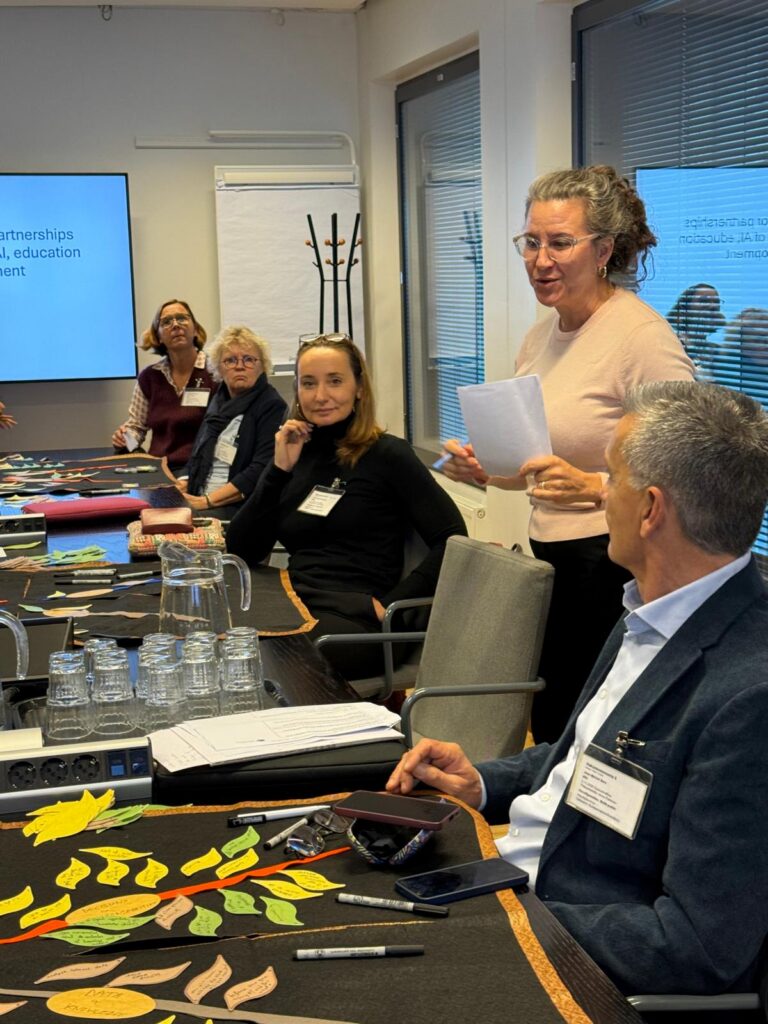
As a member of the Forum’s organising committee, Obreal co-led a workshop on AI and Private Sector Partnerships with VLIR-UOS and GIZ. The workshop focused on how private-sector engagement can translate into skills, innovation and measurable development outcomes. Obreal presented its Youth and Multilingualism AI Incubator, supported by the Government of Catalonia, which brings together young innovators, universities and other partners to develop AI-based solutions to concrete challenges in their communities.
Obreal also moderated a working session on the future of S-DHG cooperation, covering joint advocacy, collaboration around European funding instruments, and better ways to demonstrate and communicate impact. These are now central questions for the sector as the EU defines its post-2027 budget.
From coordination to measurable impact: IMPACT HE
IMPACT HE shows what this cooperation can deliver. The Erasmus+ Capacity Building in Higher Education project emerged directly from S-DHG exchanges and is coordinated by Obreal, with DAAD, EDUFI and VLIR-UOS as associated partners. It works with universities and ministries in Ethiopia and Kenya to strengthen the management of international cooperation funds, assess the societal impact of that cooperation, and align it with national and local development priorities.
The project shows how European agencies can move from coordination to initiatives developed jointly with African institutions. It also reflects a core principle of Obreal’s approach: universities should not merely implement cooperation projects but help define their objectives, assess their results and demonstrate their contribution to society.
Looking ahead: Addis Ababa 2026, Barcelona 2027 and beyond
The Helsinki discussions will feed directly into the Fourth Interregional Dialogue on Education and Development. The dialogue will take place at the African Union headquarters in Addis Ababa from 13 to 17 December 2026 and is co-organised by the African Union Commission, the CELAC Pro Tempore Presidency, the Association of African Universities, the Association of Arab Universities and Obreal. The Dialogue will focus on turning interregional priorities into practical initiatives and longer-term partnerships, and the perspectives of European funding and implementing agencies gathered within the S-DHG will be part of that conversation.
In 2027, the S-DHG Forum will return to Barcelona. Hosted by Obreal, the meeting will build on the outcomes of Helsinki and Addis Ababa and will help shape the agenda of the Fifth Interregional Dialogue. This creates a continuous cycle between European cooperation instruments and the development priorities of partner regions.
For Obreal, the two processes reinforce each other. Interregional dialogue identifies shared development priorities, and cooperation among funding and implementing agencies mobilises the resources, capacities and partnerships needed to act on them. The aim is to move beyond coordination towards more effective partnerships, shared investment and measurable development impact.