Equitable cooperation: from theory to practice
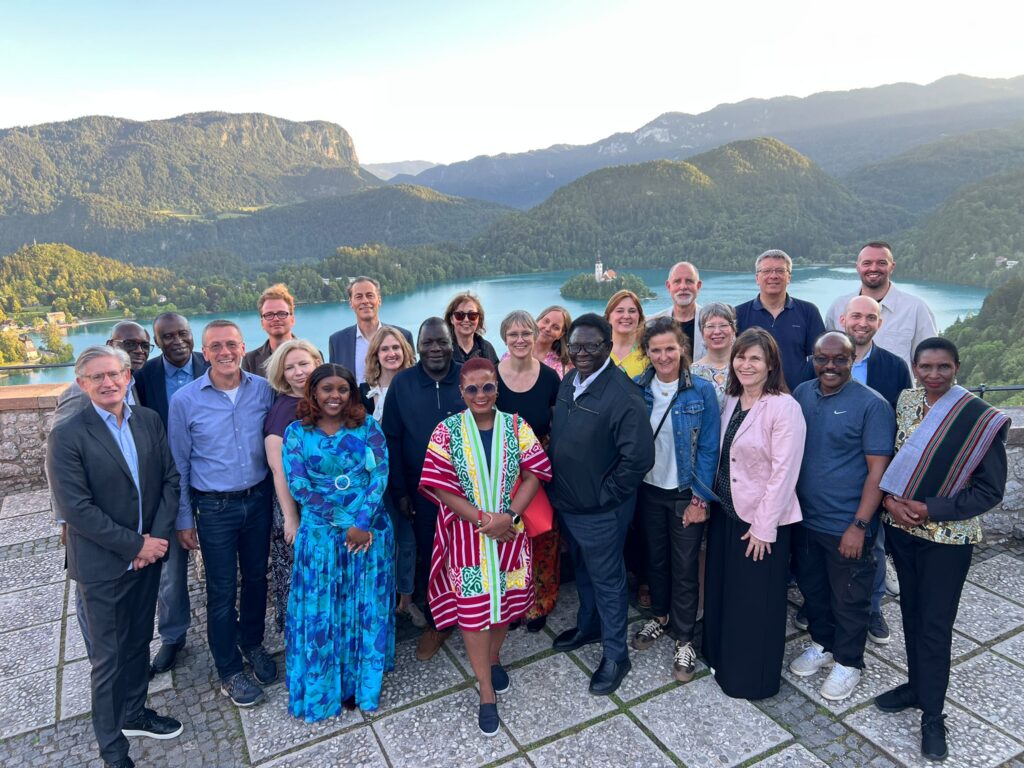
African and European higher education stakeholders, including many of Obreal’s key partners, convened in Bled, Slovenia, to advance a shared understanding of what equitable cooperation means in practice, and to finalize a joint position paper outlining concrete recommendations. In a two-day workshop organized by DAAD on 8 and 9 June 2026, “Co-creating knowledge with Africa: Towards a new strategic framework for Higher Education cooperation,” institutional leaders, policy experts, and practitioners committed to moving beyond declarative principles examined the real conditions under which equitable partnerships can take root, or fail to.
The meeting was organized as a follow-up to a previous gathering held in the context of the G7, reflecting the growing urgency of reframing Africa-Europe cooperation amid shifting geopolitical dynamics.
Chairing the conversation on best practices
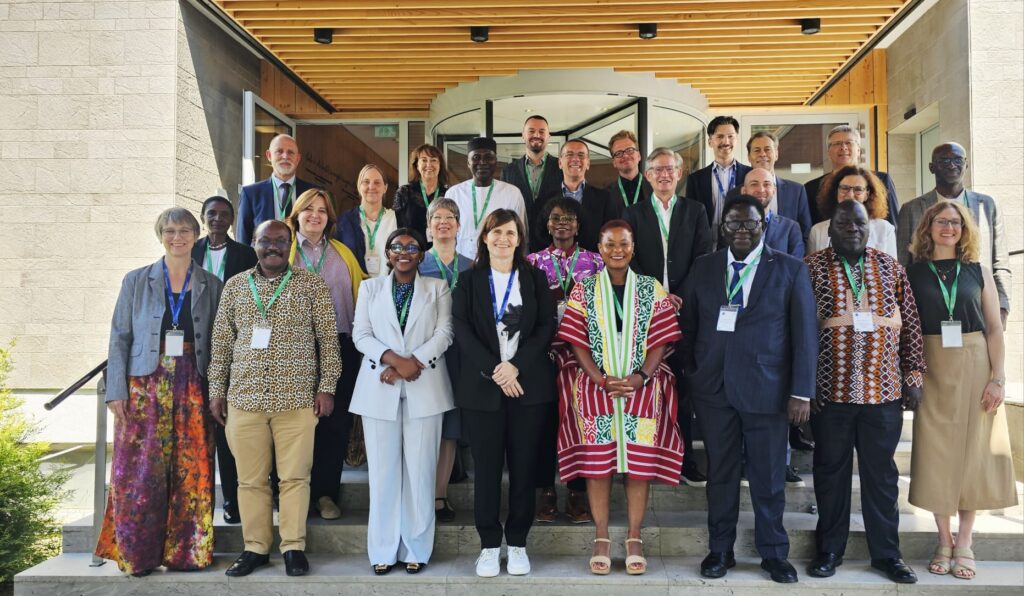
Obreal chaired the session “Experience Exchange among Experts: Equitable cooperation in reality, best practices and what to learn about them,” moderated by Elizabeth Colucci, Director of Projects and Education Policy. The panel convened leading voices including Prof. Anne Kisaka Nangulu (Kenyan Ambassador to Senegal), Prof. Olusola Oyewole (Secretary General of the Association of African Universities), Prof. Gregor Majdič (Rector of the University of Ljubljana), and Meekness Lunga-Ayidou (Director Higher Education South Africa, British Council).
Together, they examined not only successful models of equitable cooperation but also the structural obstacles that continue to shape them: power imbalances, asymmetric funding flows, and the challenge of translating shared values into shared practice.
Towards a shared commitment
During the two days, participants engaged with broader questions that are central to Obreal’s work: the university as an agent of development, the potential of multilateral South-South approaches, and the possibilities of partnerships that go beyond traditional bilateral frameworks. These themes reflect a wider shift in how the higher education sector is rethinking the terms of international cooperation.
The meeting produced a joint position paper which Obreal has endorsed. Its findings will be presented and discussed at the Strategic Dialogue on Higher Education and Global Challenges (S-DHG) and at the Fourth Interregional Dialogue on Education and Development in Addis Ababa.