
Connecting sectors and regions to address climate challenges in tourism
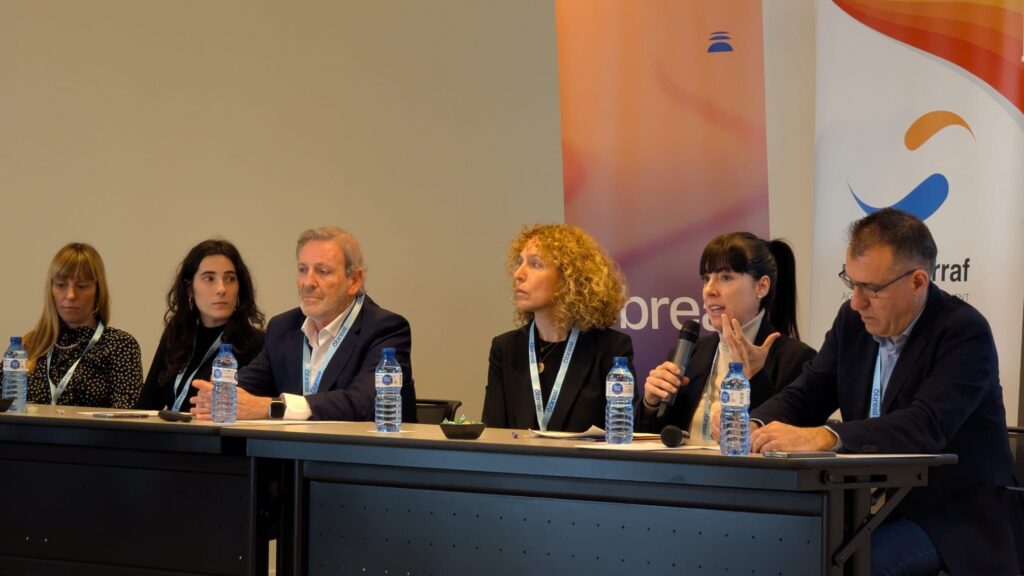
Representatives from the public, private, and academic sectors from different regions of the world gathered in Sitges, Spain, to discuss the challenges facing the tourism sector as climate change advances.
Taking advantage of the final conference of the CLIMAR project, Obreal and Node Garraf organized an open event with the participation of representatives from the Government of Catalonia, the Barcelona Provincial Council, Sitges City Council, the Cerdà Foundation, Hotel Calípolis, and the Sitges Film Festival, alongside representatives from the universities involved in the CLIMAR project.
A global challenge such as the impact of climate change on the tourism sector—and vice versa—requires a joint and cross-cutting approach.
Public and private sectors advancing sustainability
Throughout the event, discussions focused on the role of public administrations in supporting a private sector that is increasingly engaged in climate change mitigation and adaptation. In this context, the director of Hotel Calípolis and a representative of the Sitges Film Festival presented the measures they have implemented over the years to reduce their carbon footprint.
At the same time, public authorities shared initiatives designed to support the sector—particularly smaller businesses—in improving sustainability and assessing the impact of these measures.
Universities driving knowledge and solutions
Universities participating in the CLIMAR project also contributed to this exchange of ideas and initiatives. Representatives from the National University of Cuyo (Argentina), University College Cork (Ireland), the Autonomous University of Chiriquí (Panama), and the University of Las Palmas de Gran Canaria outlined the climate-related challenges facing tourism in their respective regions and how the CLIMAR project has helped address them. This includes the development of sustainability modules now integrated into university curricula and the creation of dedicated chairs on sustainable tourism.
In this regard, the meeting provided a valuable opportunity for the private and academic sectors to exchange perspectives and identify future needs. Academic representatives, in particular, welcomed the creation of this dialogue, emphasizing that it is essential for understanding sector demands and responding accordingly.
Looking ahead, the outcomes of this exchange highlight the importance of sustained collaboration across sectors and regions. Strengthening these connections will be key to advancing more resilient, sustainable tourism models capable of responding to the evolving challenges posed by climate change.