
Recognition, cooperation and trust to build integration: Obreal at the Africa Europe Innovation Dialogues in Abidjan
Why should higher education systems be fully harmonized before students and researchers can move, collaborate and build careers across borders? Obreal put that question on the table at the Africa Europe Innovation Dialogues, held in Abidjan on 3 and 4 November, where it contributed to a session on qualifications recognition led by the Association of African Universities (AAU).
Promoted by the Africa-Europe Innovation Platform, the meeting brought together universities, researchers, start-ups and civil society under the motto “Ideas in motion. Partnerships in action.” to build alliances and open up opportunities for cooperation.
From academic procedures to development
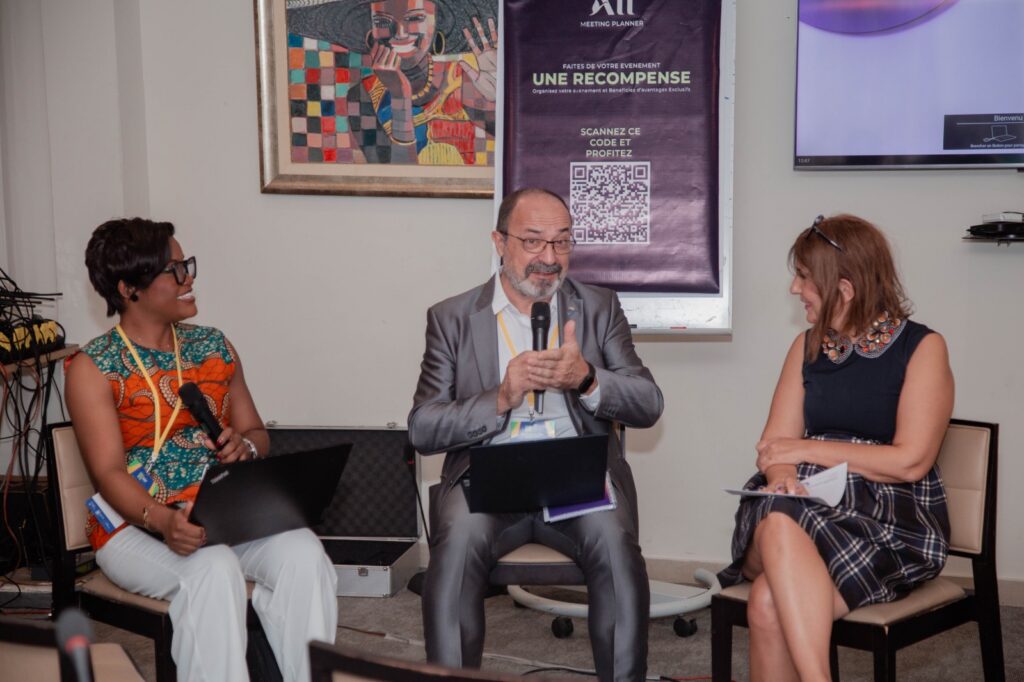
Obreal’s contribution consisted of connecting an issue usually approached through academic procedures with its consequences for cooperation and development. Drawing on the European experience of Erasmus and the HAQAA3 Policy Brief series, the intervention made the case that recognition should serve a clear purpose, and that academic mobility and research collaboration do not have to wait for higher education systems to be harmonized. What makes them possible is trust between institutions, which grows when agreements are honored and what students have learned is genuinely recognized. Seen this way, universities are agents of development and integration, and mobility builds lasting institutional ties and a shared sense of belonging.
For Africa, the lesson is not to replicate European structures but to develop its own mechanisms of trust and recognition, respecting the continent’s institutional diversity and regional priorities. The ongoing work of HAQAA3, including the African Credit Transfer System (ACTS), offers a solid basis for doing so. The discussion also referred to practical examples of cooperation in innovation, such as the AI incubator developed by AAU and Obreal.
New connections
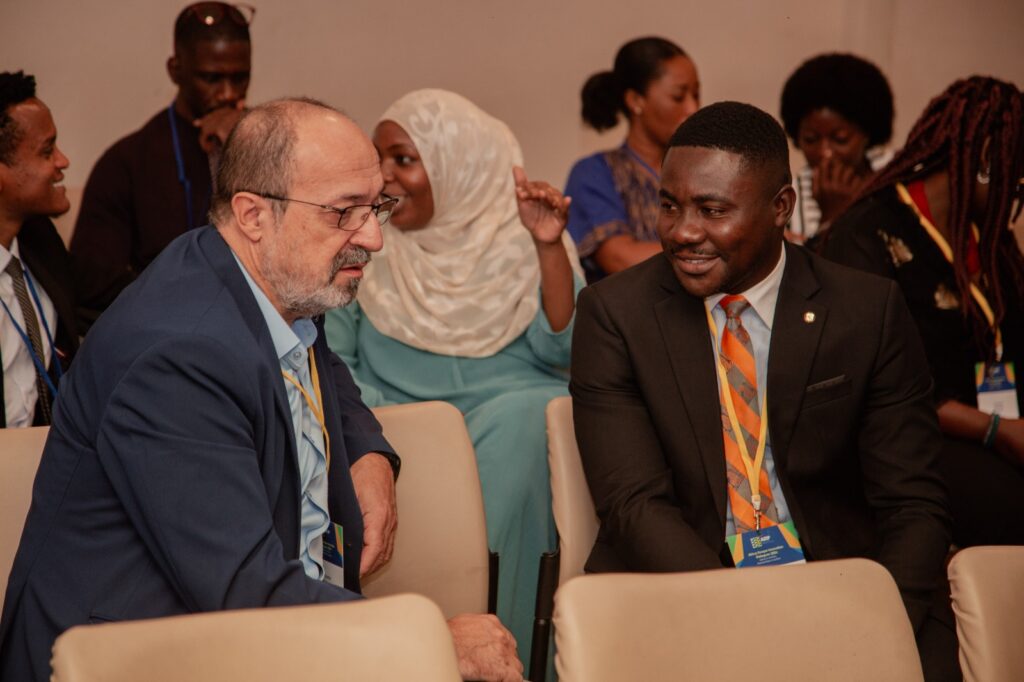
The meeting also created room for new connections. Exchanges with AAU and EISMEA during the session helped place the work on recognition in the wider European conversation on research and innovation. Obreal also met the Pan-African Think Do African Network of Young Researchers, based in Côte d’Ivoire, and explored ways of linking it with NECREDI, the network that emerged from the DIGIGRAD project. Conversations with SARIMA, the association of research and innovation management professionals in the SADC region, opened a further door to communities working in Africa that were not yet familiar with Obreal’s activities, from the 40th Erasmus anniversary commemoration to the Interregional Dialogue Process.
Turning new connections into cooperation
For Obreal, taking part in Abidjan was an opportunity to show how its work on recognition connects with the innovation agenda and with the future of university cooperation between Africa and Europe. It also served to share the HAQAA3 Policy Briefs and the progress on ACTS with audiences who work in Africa or come from it, and to introduce other lines of work, such as the commemoration on forty years of Erasmus, the Interregional Dialogue Process and the AI incubator.
What follows matters as much as the event itself. Obreal will keep building on these exchanges, turning the new contacts into concrete activities with partners who share an interest in recognition, mobility and research cooperation. The idea that guided the intervention remains the starting point. We should not wait for integration to recognize qualifications, because through recognition, cooperation and mutual trust, integration can be actively built.