
Obreal strengthens cooperation on AI, education and development in China
Obreal participated in the Global Smart Education Conference 2026 and held a series of institutional meetings in China focused on artificial intelligence, education, rural transformation and interregional cooperation.
Held from 18 to 20 August at Beijing Normal University under the theme Reimagining Education in the Age of AI: Equity, Quality and Sustainability, the conference brought together policymakers, education leaders, international organizations, researchers and technology companies from different regions.
Across the different spaces, Obreal emphasized the importance of approaching technological transformation through the educational, social and development challenges it should help address.
Aligning AI with public objectives
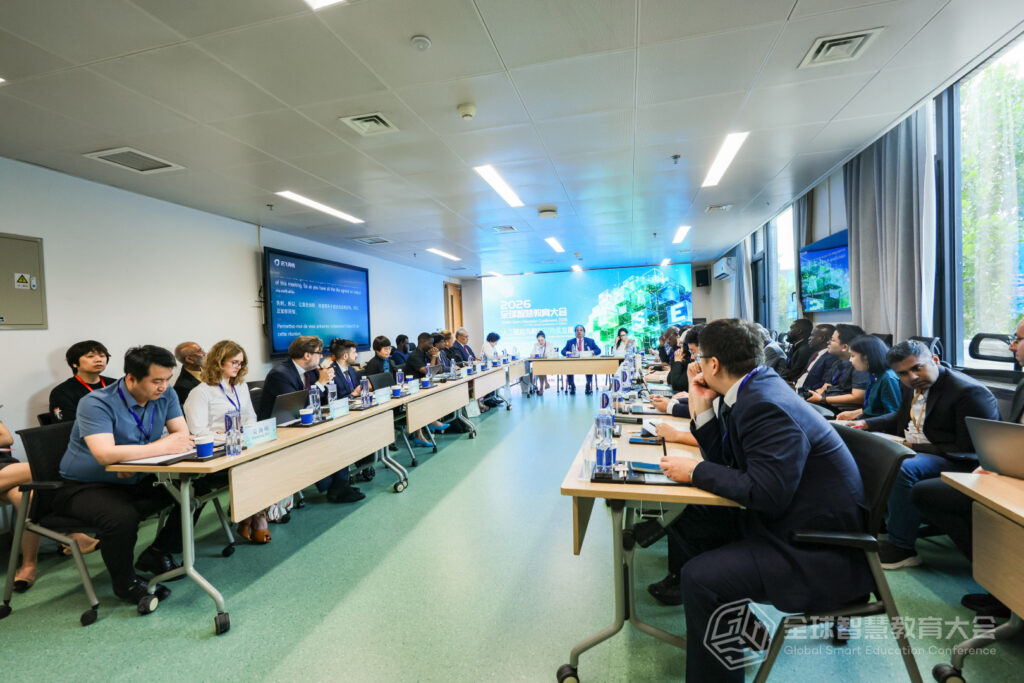
Obreal contributed as a speaker to the Senior Policy Round Table on AI Governance in Education, which brought together ministers and senior officials from Africa, Asia and the Pacific alongside representatives of UNESCO, the OECD, the Southeast Asian Ministers of Education Organization (SEAMEO) and technology companies.
The discussion examined how governments, universities, companies and civil society can cooperate to ensure that technological change remains aligned with public objectives.
Obreal’s contribution focused on the need to look beyond the capabilities of artificial intelligence and consider the purposes that should guide its use. From this perspective, the central question is not only what technology can do, but which educational, social and development challenges it can help address and what institutional arrangements are needed to ensure that it does so responsibly.
Obreal also presented the Interregional Dialogue Process on Education and Development as a space in which these questions can be examined across different regional and institutional contexts. Its contribution included the experience of the Youth and Multilingualism AI Incubator, which supports young people in developing AI-based responses to locally identified challenges.
Education and technology for rural transformation
The relationship between technology and locally defined development challenges was explored further during Smart Villages and Education for Rural Transformation, a parallel forum co-organized by Obreal, the UNESCO International Research and Training Centre for Rural Education (UNESCO-INRULED), SEAMEO Regional Centre for Education in Science and Mathematics (SEAMEO RECSAM) and SEAMEO Regional Centre for STEM Education (SEAMEO STEM-ED).
The forum brought together perspectives and experiences from China, Southeast Asia, Africa, and Latin America and the Caribbean around a common question: how can education, digital transformation and artificial intelligence contribute to sustainable territorial development in rural regions?
During the discussions, Obreal highlighted that technology alone cannot transform a territory. Its contribution depends on the capacity of local communities and institutions, including governments, education systems, universities and productive sectors, to use it in response to the challenges they face.
From this perspective, schools and universities are not simply beneficiaries of territorial development. They form part of the local infrastructure needed to connect knowledge and technological possibilities with locally relevant solutions.
This role also positions universities as agents of development beyond their immediate territories. By connecting their experience and knowledge at the regional level, they can address shared challenges and contribute to broader development strategies. Interregional cooperation extends this process by creating spaces in which institutions from different regions can work together on an equal footing, combining distinct perspectives and developing responses grounded in their respective realities.
Connecting experiences through Learning Villages
One practical expression of this approach was the launch of Learning Villages in the Digital Era, an initiative promoted by UNESCO-INRULED with international partners.
The initiative seeks to identify and connect experiences in which education and digital transformation contribute directly to rural and local development. As part of its launch, UNESCO-INRULED, SEAMEO RECSAM, Obreal and other partners issued an international call for cases covering areas such as the use of digital technologies, community-led initiatives, culturally grounded educational approaches and public policy practices.
By connecting locally grounded experiences from different regions, the initiative can contribute to a broader exchange on how education and digital transformation strengthen local capacities and support sustainable territorial development.
Strengthening cooperation with Chinese higher education
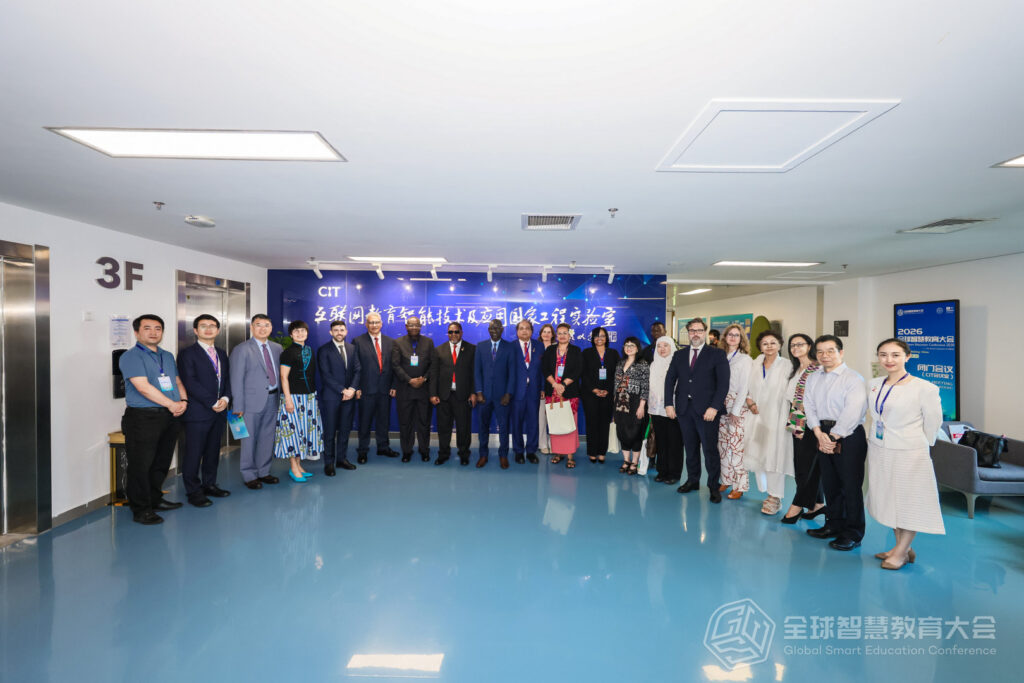
The same interregional perspective also guided a high-level meeting between the China Association of Higher Education (CAHE), the Shanghai Higher Education Association and Obreal.
The meeting explored a broader framework through which Chinese higher education institutions could engage with universities, associations and public institutions in the regions where Obreal works.
As a concrete outcome, Obreal and the Shanghai Higher Education Association are developing a roundtable on talent cultivation from a global perspective. The session will take place within the International Forum on Higher Education in Shanghai, organized by CAHE and Tongji University.
The roundtable is intended to bring Chinese institutions into direct conversation with higher education leaders and organizations from Africa, Latin America and Europe, while connecting the discussions taking place in Shanghai with the Interregional Dialogue Process on Education and Development.
Through its participation in the conference and its meetings with Chinese partners, Obreal contributed its perspective on the governance and territorial application of artificial intelligence while opening new spaces for cooperation between Chinese higher education and the regions connected through the Interregional Dialogue Process.