Obreal contributes to the WTO Chairs Program 2026 Annual Conference in Geneva
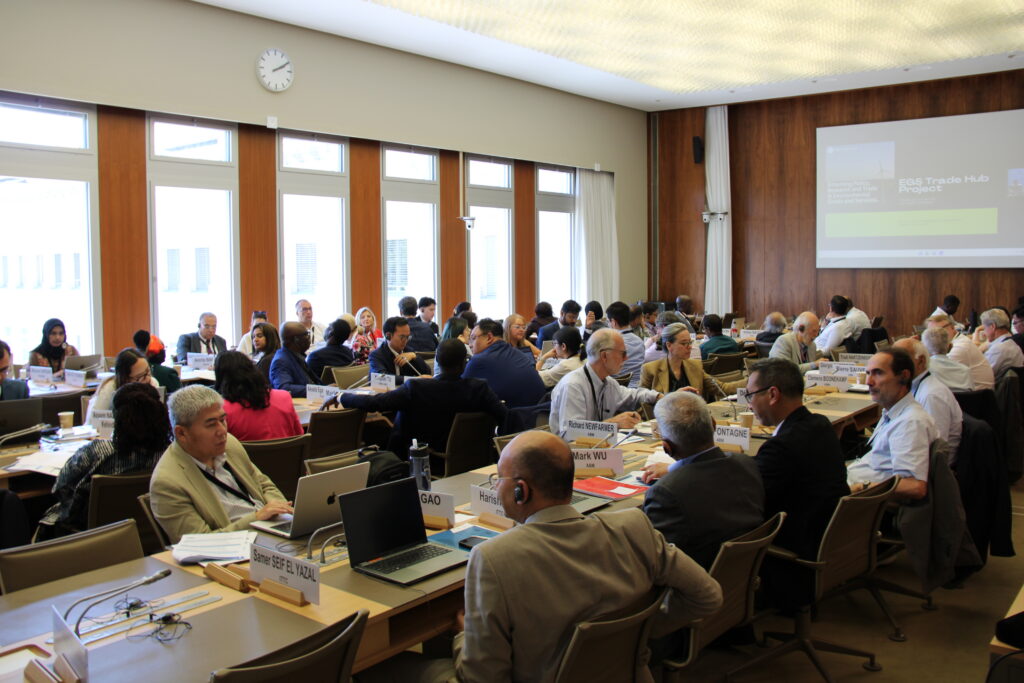
Obreal took part in the 2026 Annual Conference of the WTO Chairs Programme (WCP), held from July 1 to 3 at the World Trade Organization headquarters, the Centre William Rappard, in Geneva. The conference gathered WCP Chairs from Africa, Asia and Latin America and the Caribbean, together with WTO Secretariat staff, members of the WCP Academic Advisory Board and representatives of WTO Member groups, to review the work of the network and to discuss priorities for the year ahead.
Obreal brought its unique perspective built on years of experience connecting universities, governments and regional bodies across different regions to a thematic session dedicated to partnerships across the WCP network. Obreal’s participation is framed under the Trade and Multilateralism axis of the Interregional Dialogue Process, which links knowledge production with equitable negotiation and with frameworks for regional participation in a more plural international order.
Contributing to the debate on partnerships
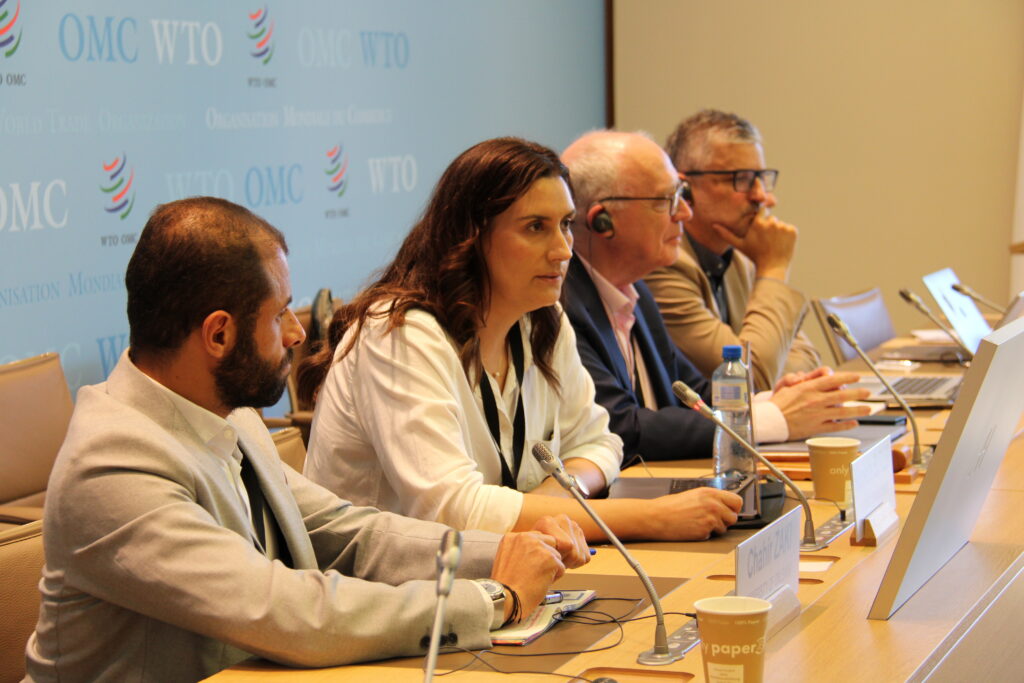
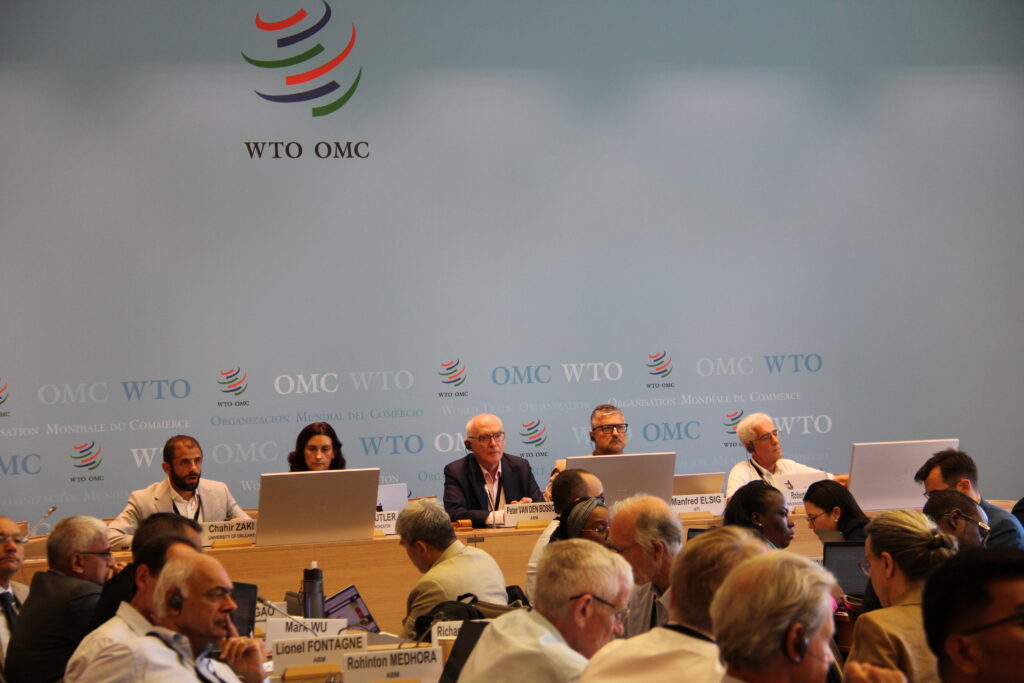
Roberto Bouzas, Professor Emeritus at Universidad de San Andrés and Obreal Advisor, spoke in the thematic session “Partnerships for the WCP” on behalf of Obreal. The session brought together academics from Université d’Orléans, the World Trade Institute, the University of Manchester and Queen Mary University of London to share experience with existing partnerships and to explore future ones that could strengthen the impact of the program across its three pillars: applied research, customized training and targeted outreach.
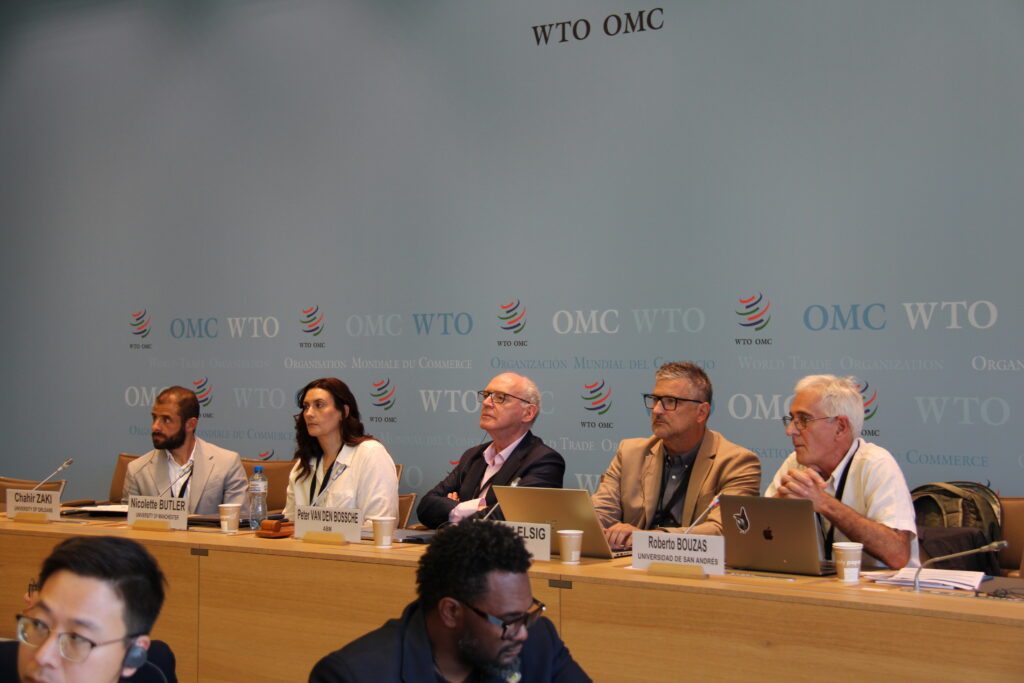
Building on the collaboration with the WCP developed over the past two years, Obreal proposed continuing and broadening this partnership going forward, while working to secure the funding needed for it in Spain and the European Union. Among the concrete lines put forward were keeping alive the tradition of Academic Conferences ahead of WTO Ministerials and connecting them with activities in between, and contributing to the launch of a loose academic Network of Friends of Multilateralism, an idea Obreal had already flagged at the recent meeting in Berlin.
Obreal also proposed building on the joint programme with the WCP to collaborate with major continental and multilateral training institutions, including the Pan African University on the continental side and the United Nations University and the United Nations Institute for Training and Research on the multilateral side, to launch an online multilingual training programme on international trade relations that could grow into a hub for universities and research centers. Work in this direction is already underway with the Pan African University and the Open University of Catalonia (UOC).
Three days of dialogue in Geneva
The three-day agenda opened with a keynote address by WTO Deputy Director-General Xiangchen Zhang and included a thematic session on the follow-up to the 14th WTO Ministerial Conference, a fireside chat with WTO Director-General Ngozi Okonjo-Iweala, and regional breakout sessions in which the Africa, Asia and Latin America and Caribbean networks met separately with the corresponding regional Heads of Desk at the WTO’s Institute for Training and Technical Cooperation (ITTC). Chairs also met with coordinators of WTO Member groups, including CARICOM, the LDC Group, the OACPS and the SVE Group, to discuss areas of shared interest. The conference closed with a reception hosted by Deputy Director-General Zhang.
For Obreal, engaging with the WCP network reflects the same logic that drives the Interregional Dialogue Process: bringing universities and regional actors into spaces where trade policy and multilateral rules are discussed and shaped, so that regional integration and international negotiation are informed by shared, co-produced knowledge rather than by a single center of expertise.