Governments and universities across Latin America and the Caribbean back the Fourth Interregional Dialogue
The Fourth Interregional Dialogue on Education and Development took a significant step forward this week, as Obreal convened its Latin America and Caribbean launch in Montevideo, Uruguay. The event brought together representatives from a wide range of governments, university associations, and regional bodies across Latin America and the Caribbean, reflecting the broad interest the dialogue is generating across the region.
The meeting was co-organized with Uruguay’s Ministry of Education and Culture, which currently holds the pro-tempore presidency of CELAC, lending the event strong institutional backing at the regional level. Government representatives from Uruguay, Colombia, and Nicaragua took part alongside the African Union Commission, setting the tone for a genuinely interregional conversation. The Fourth Interregional Dialogue has since been included in Uruguay’s CELAC agenda, a concrete sign of the political commitment the process is building in the region.
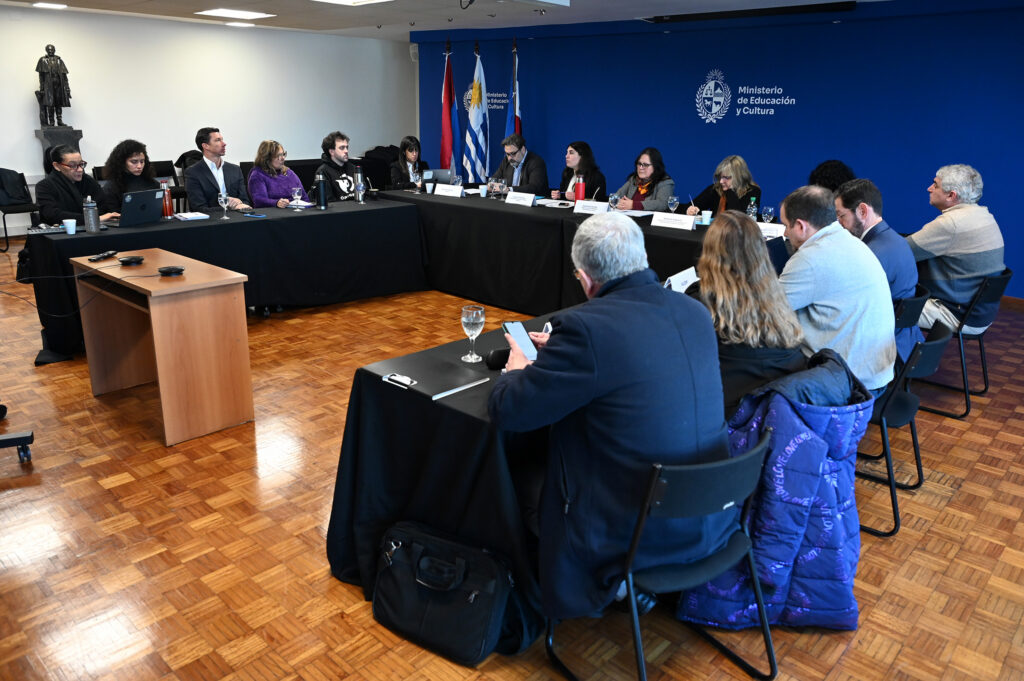
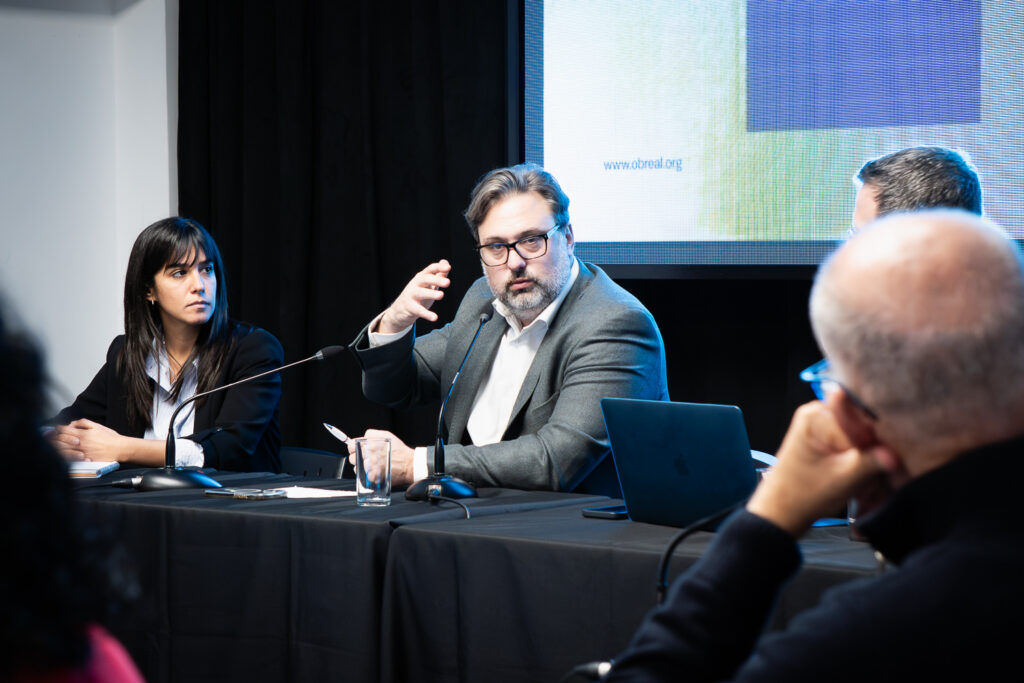
Over two days, participants worked through the key questions the region will bring to Addis Ababa later this year: what Latin America and the Caribbean can contribute to the dialogue, how the CELAC Regional Roadmap on Higher Education can gain visibility at the global level, and what regional experiences in academic cooperation, mobility, and quality assurance could be projected toward broader South-South and triangular partnerships.
University associations were central to the program. Representatives from ASCUN, AUGM, CIN, CSUCA, ANUIES, ANDIFES, and the Secretary General of ENLACES joined dedicated working sessions to identify concrete proposals and shared priorities ahead of Addis Ababa, a turnout that reflects the breadth of support the dialogue is drawing from across the Latin American university system.
Argentina and Africa: a cooperation with a track record
Obreal had a dedicated meeting with representatives of Argentina’s Consejo Interuniversitario Nacional (CIN) to discuss the country’s growing engagement with African universities. Argentina, which hosted the first Interregional Dialogue, has in recent years deepened its bilateral ties with institutions across the African continent, developing concrete initiatives in areas such as postgraduate training, researcher mobility, and academic exchange.
The session offered a valuable preview of what the region can bring to Addis Ababa: not just political commitment, but a track record of cooperation that is already producing results. These experiences will inform the Latin American and Caribbean contributions to the Fourth Interregional Dialogue.
Obreal and INAEET sign cooperation agreement
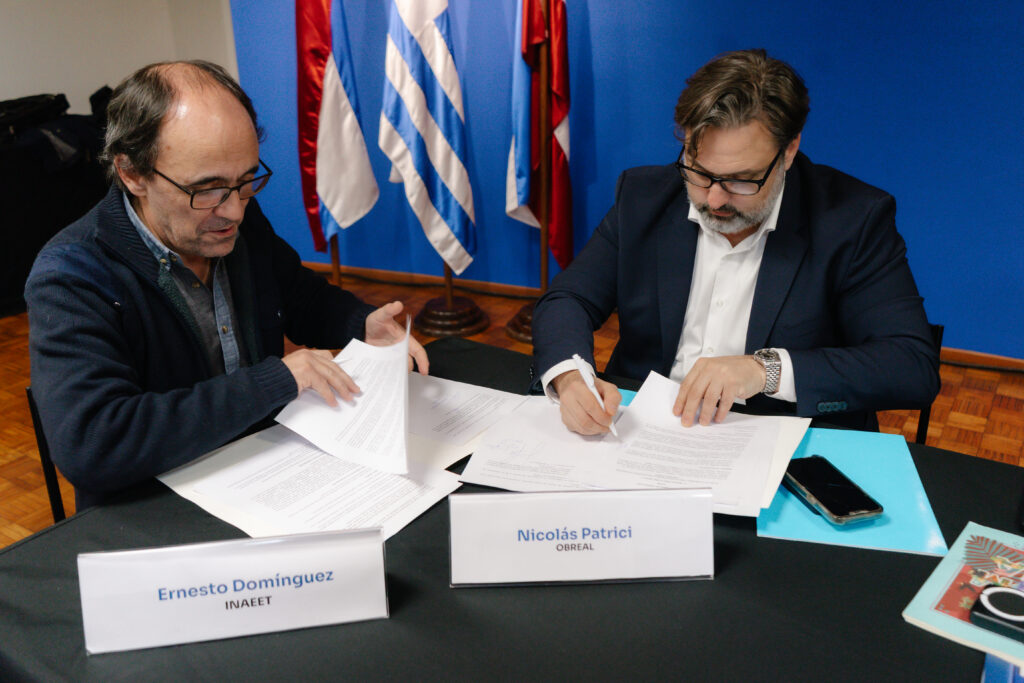
On the sidelines of all this, Obreal and Uruguay’s National Institute for Accreditation and Evaluation of Tertiary Education (INAEET) signed a cooperation agreement marking a new stage in their collaborative work around quality assurance in higher education.
The agreement provides a framework for joint activities in areas including academic quality assurance, recognition of qualifications, and the promotion of mutual trust between higher education systems. It reflects a shared commitment to strengthening the regional architecture for tertiary education and contributing to the broader goals of the interregional dialogue process.