Building knowledge to tackle the Aral Sea crisis
The Aral Sea, once the fourth largest lake in the world, has lost more than 90% of its volume over the past decades due to the overexploitation of the rivers that fed it. The desiccation has left behind an ecological and humanitarian catastrophe: contaminated soils, toxic dust storms, the collapse of the fishing industry, and serious public health problems for communities across the region.
Addressing this challenge requires specialists capable of monitoring the territory, analyzing environmental data, and proposing evidence-based solutions. With this goal in mind, a consortium of universities from Kazakhstan, Uzbekistan, and the European Union is developing the MECAS Ecoinformatics Master’s program: a 120-credit program focused on remote sensing, GIS, and artificial intelligence applied to the environment.
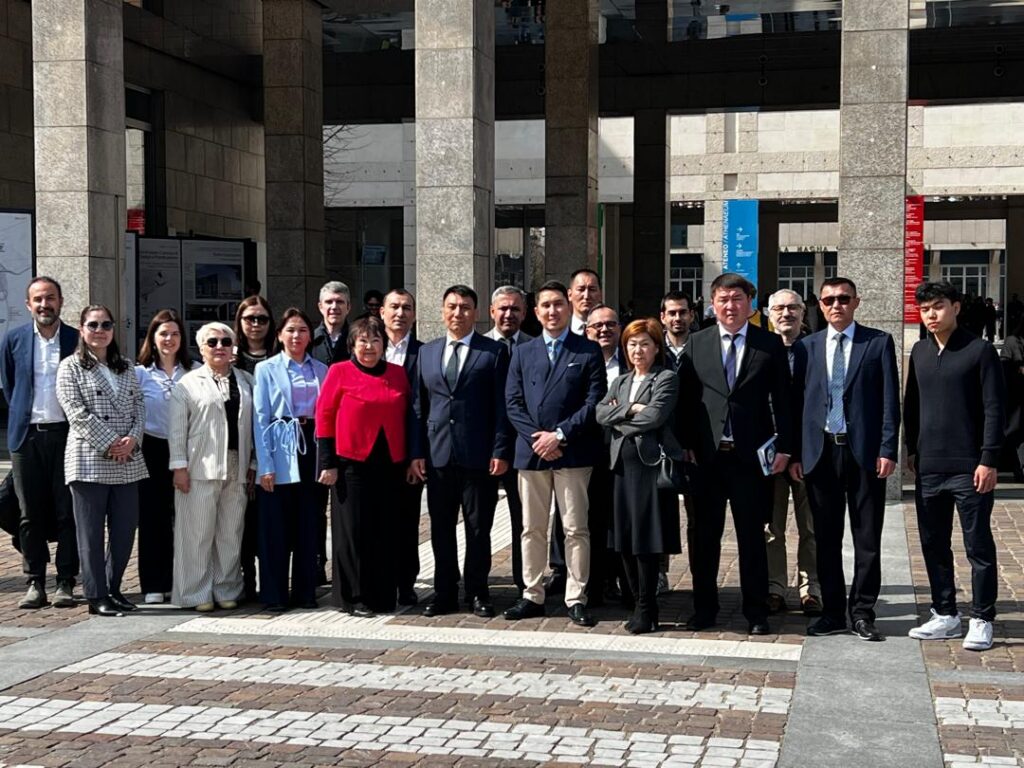
Obreal is part of that consortium with a specific role: ensuring that the program is developed rigorously and meets European quality standards. In March 2026, during a working session held at the Politecnico di Torino, Obreal presented the project’s quality assurance system: the monitoring tools, reporting templates, deliverable review processes, and training evaluation procedures. The full quality cycle was also defined (linking activities, reporting, reviews, and decision-making) and the role of the external evaluator was introduced, tasked with assessing progress at mid-term and final stages.
Through this work, Obreal supports universities in the region in aligning their new academic offer with European standards, strengthening their capacities in curriculum design, quality assurance, and international cooperation. When the program graduates its first specialists, they will be better equipped to monitor and respond to one of the most pressing environmental challenges in Central Asia. And that is precisely the kind of long-term impact that drives Obreal’s commitment to international higher education cooperation.